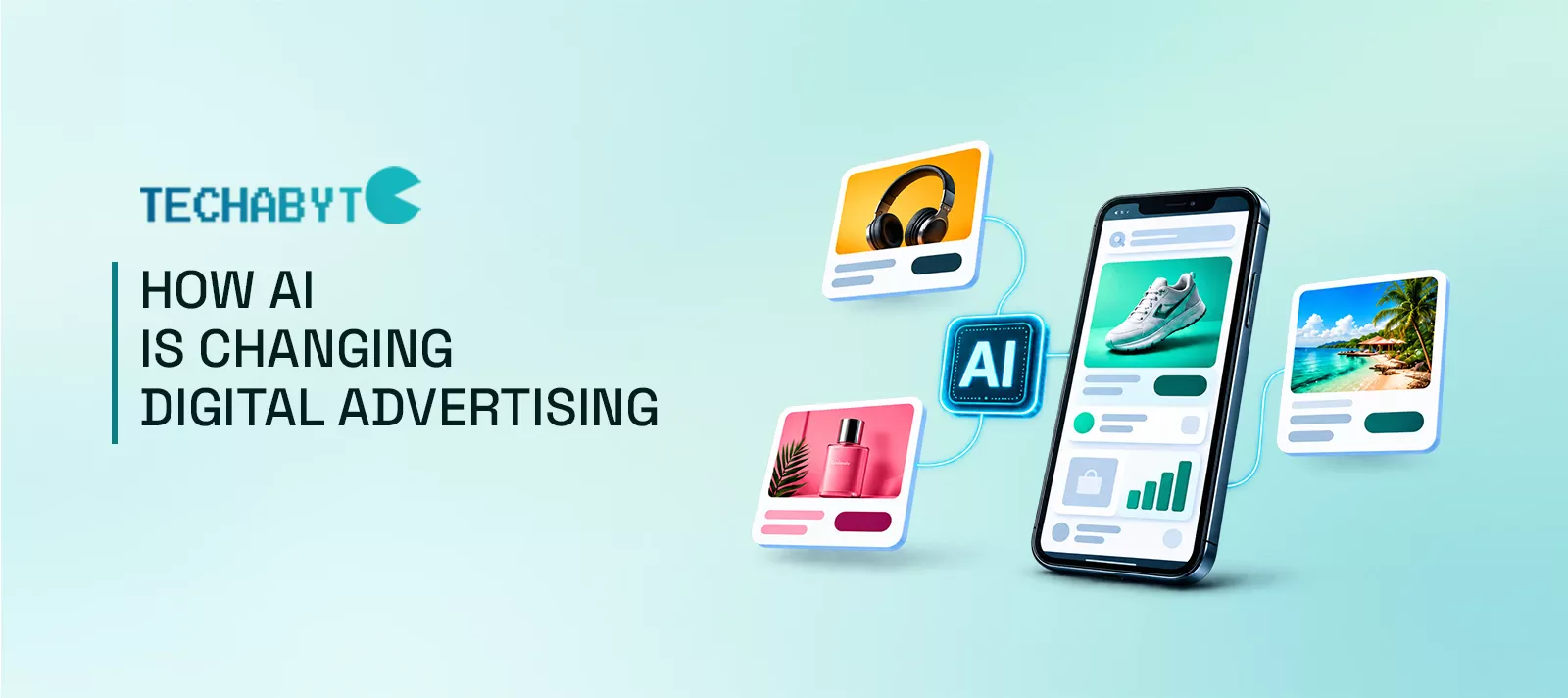

Digital advertising is undergoing a profound transformation. Artificial intelligence has shifted from an experimental tool into the core operating engine of performance marketing. Today, AI in digital advertising enables brands to process large volumes of consumer signals, improving campaign efficiency and personalization.
For business owners, marketers, and e-commerce brands in Bangladesh and international markets, understanding this evolution is essential. Navigating this shift requires balancing automated speed with human strategy and responsible data oversight.
What Is AI in Digital Advertising?
In digital advertising, artificial intelligence applies machine learning and data analysis to automate tasks and improve campaign management. Rather than relying solely on manual research and periodic bid adjustments, AI systems continuously evaluate real-time context.
Machine learning models analyze browsing patterns, device preferences, and historical conversion paths. By processing these variables, AI advertising platforms help marketers predict intent and determine appropriate bidding strategies to deliver relevant ads.
5 Ways AI Is Transforming Digital Advertising
Artificial intelligence touches every layer of modern advertising. Here are five primary ways AI tools impact digital campaigns.
1. Smarter Audience Targeting
Traditional targeting relied on broad demographic buckets. Today, AI-driven audience targeting evaluates real-time behavioral signals. Algorithms analyze search intent and customer interactions to identify relevant audience segments, helping advertisers spend media budgets effectively.
2. Personalized Advertising Experiences
Generic ad copy receives lower engagement across digital platforms. With personalized digital advertising, machine learning systems tailor creative elements to different user needs. Systems adjust headlines, images, and product recommendations, creating smoother paths to purchase.
3. Automated Campaign Management
Managing cross-channel campaigns manually consumes significant operational resources. Through advertising automation, platforms support routine workflows like bidding decisions, budget reallocations, and channel placements. When performance shifts, algorithms adjust allocations to maintain efficiency.
4. Better Ad Creative and Content
AI tools assist creative teams by generating copy options, visual concepts, and layout variations for testing. Instead of testing two static ads, marketers use AI-powered campaign optimization to evaluate multiple combinations. However, human review remains vital to ensure alignment with brand voice and cultural context.
5. Real-Time Insights and Campaign Optimization
Traditional reporting analyzed past performance data. Modern AI ad optimization provides predictive analytics to help evaluate campaigns continuously. Algorithms identify performance patterns and drop-off points, allowing marketers to make data-informed adjustments.
The Benefits of AI-Powered Advertising for Businesses
Adopting AI-powered advertising provides several practical advantages for growing brands:
- Greater operational efficiency by automating routine management tasks.
- Faster analysis of complex campaign data across multiple channels.
- More relevant advertising messages tailored to specific customer segments.
- Improved testing workflows that identify winning creative concepts faster.
- Better-informed marketing decisions based on predictive data patterns.
While AI accelerates execution, tools alone do not automatically guarantee lower costs or higher profits. Success depends on overall business strategy, offer quality, and landing page experience.
Challenges and Risks of AI in Advertising
Despite the clear benefits of artificial intelligence in advertising, automated systems present important challenges:
- Data privacy requirements demand responsible data use and compliant measurement frameworks.
- Inaccurate or unverified AI-generated content can harm brand credibility if published without review.
- Biased or incomplete tracking data leads to skewed optimizations and wasted ad spend.
- Brand safety concerns require active parameters to prevent ads from appearing next to unsuitable content.
Businesses should combine AI tools with sound marketing judgment and active human oversight.
How ChatGPT and Emerging AI Platforms Fit Into Digital Advertising
Conversational AI is changing how consumers discover information and research products online. As user behavior evolves, marketers are evaluating emerging advertising opportunities across conversational interfaces.
Developments like ChatGPT Ads represent an evolving area within digital advertising. Unlike traditional keyword auctions, sponsored placements in conversational tools appear based on contextual relevance alongside generated responses.
However, businesses must understand current platform realities:
- Access to self-serve campaign tools depends on specific regional availability, account verification, and platform policies.
- Appearing in organic AI responses differs from buying sponsored ad placements.
- Premium paid subscription tiers generally remain ad-free, meaning ads focus on specific ad-supported user segments.
Marketers should monitor these emerging platforms while maintaining strong performance across established search and social channels.
How Businesses Can Prepare for the Future of AI Advertising
To prepare for ongoing changes in digital advertising, organizations can follow these practical steps:
- Establish clear marketing objectives and target KPIs before deploying automated tools.
- Maintain reliable conversion tracking and high-quality first-party data.
- Test AI tools within existing marketing workflows to evaluate performance.
- Review AI-generated content and ad copy carefully before publication.
- Measure results against meaningful business metrics rather than vanity signals.
- Stay informed about platform updates, policy changes, and advertising eligibility.
Conclusion
Artificial intelligence is reshaping digital advertising through automation, personalization, and data-driven optimization. By leveraging machine learning responsibly, businesses can improve targeting precision and streamline campaign execution.
Sustainable success requires balancing automated technology with strategic human direction. Adapting your marketing strategy based on clear evidence ensures your brand remains competitive as digital advertising trends evolve.
Looking to optimize your paid media strategy or explore new advertising channels? Consult with our digital marketing agency today to build a data-backed growth plan.